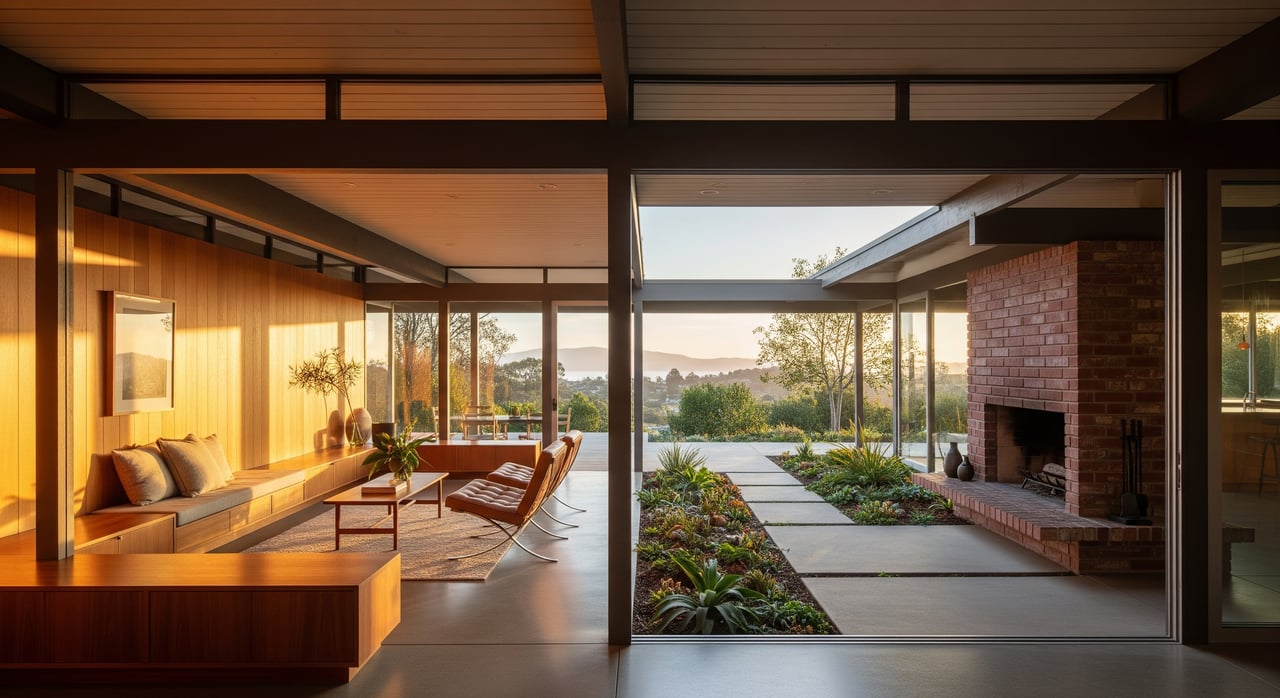
Love the look of glass walls, warm wood, and indoor–outdoor flow? If you are drawn to midcentury modern style, San Rafael’s Eichler neighborhoods deliver a unique living experience. Whether you plan to buy, update, or sell, understanding these homes’ design, systems, and care can help you make smart decisions. This guide breaks down what defines an Eichler, what to inspect, and which upgrades add value in Terra Linda and Lucas Valley. Let’s dive in.
Eichler essentials in San Rafael
San Rafael’s Terra Linda and parts of Lucas Valley include planned Eichler tracts built during the postwar period, primarily from the late 1940s through the mid‑1960s. These neighborhoods share a consistent modernist vocabulary, with open plans and a strong connection to the outdoors. Many buyers seek these homes for their character and lifestyle, and local demand often reflects that interest. As always, value depends on location, lot, and the quality of updates and care.
Signature architecture
- Post and beam structure that creates open interiors with minimal load-bearing walls.
- Floor-to-ceiling glass, sliding doors, and clerestory windows that bring in light while maintaining privacy.
- Atriums and courtyards that organize circulation and extend living space outdoors.
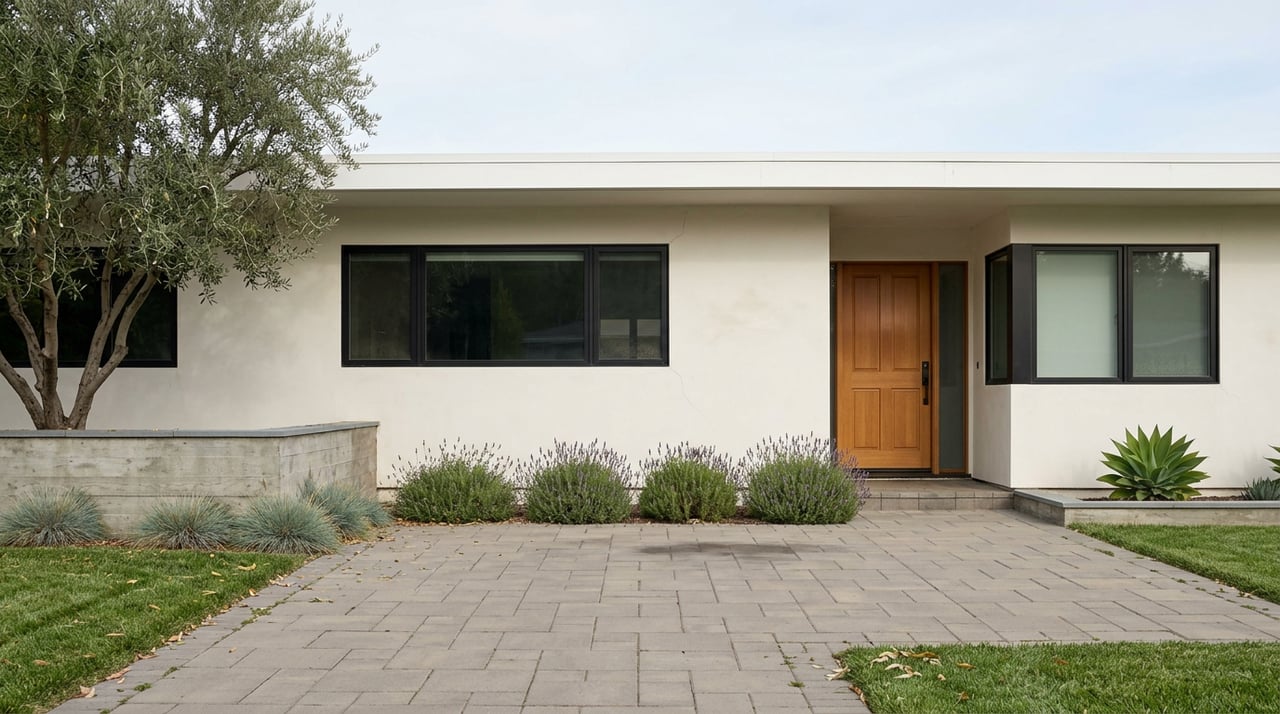
- Flat or low‑pitched roofs with shallow overhangs and built-up membrane systems.
- Natural materials such as redwood siding, plywood paneling, and exposed beams that emphasize honest construction.
Building systems you’ll find
- Radiant floor heating in the slab is common; many homes use hydronic systems with a boiler and in‑slab piping.
- Minimal attic cavities and thin roof profiles; utilities are often integrated in slabs and roof spaces.
- Midcentury electrical panels that may need capacity upgrades for today’s loads.
- Midcentury plumbing that may be original or partially updated over time.
Condition and inspection checklist
Eichlers reward careful stewardship. The same features that make them special can also be vulnerable if neglected. Before you buy, or as you prepare to sell, prioritize these items during due diligence.
- Roof and drainage: Inspect membrane condition, flashing, and scuppers. Low‑slope roofs can pond and leak. Confirm that gutters and downspouts move water away from the slab.
- Atrium waterproofing: Check atrium drains, sealants, and planters. Soil or hardscape that pitches toward the home can push water to the foundation.
- Slab and radiant heat: Look for slab cracks or settlement and verify boiler operation and radiant loops. Repairs can be disruptive when pipes are embedded in concrete.
- Wood siding and beams: Evaluate redwood and exposed structural members for moisture intrusion, dry rot, and insect activity. Note any patched areas.
- Windows and doors: Original single‑pane glazing and aluminum frames may bind or leak. Inspect for failed seals and water staining.
- Foundation and connectors: Review post bases, anchors, and wood‑to‑concrete contact points for corrosion or decay.
- Electrical safety: Confirm panel capacity, circuit distribution, and any past aluminum wiring or older methods. Verify that upgrades were permitted.
- Insulation and air sealing: Many walls and roofs started with limited insulation. Assess energy performance and options that won’t compromise finishes.
- Hazardous materials: Test suspect flooring, roofing, or paint for asbestos or lead as part of renovation planning.
Specialists to involve
- Home inspector with midcentury experience.
- Structural engineer if you see slab issues or plan structural changes.
- Hydronic radiant specialist for boilers and in‑slab piping.
- Low‑slope roofer familiar with modern membranes and drainage detailing.
- Termite and pest inspector for moisture‑related wood issues common in Marin.
Upgrades buyers value
In this design‑forward niche, the best results balance preservation with performance. You want comfort and efficiency while keeping the signature look intact.
- Kitchen updates that keep sightlines open with low‑profile cabinetry and warm wood tones.
- Bathroom modernizations with minimalist fixtures and tile that echo midcentury lines.
- Window and door improvements using energy‑efficient glazing and frames that match original proportions. Where originals are in good shape, consider discreet interior storm systems.
- Heating and cooling via ductless mini‑split heat pumps when radiant is inadequate or absent. This adds comfort without invasive ductwork.
- Insulation and air sealing in accessible roof cavities, using vapor‑aware materials to avoid trapping moisture against wood.
- Roof replacements with modern low‑slope membranes and improved drainage while preserving the low profile and overhangs.
- Atrium restoration with renewed waterproofing, corrected grading, and planting that reduces overspray.
- Electrical service upgrades sized for modern loads while routing new wiring to protect original finishes.
Renovation pitfalls to avoid
- Removing or covering exposed beams, atriums, or redwood paneling that define Eichler character.
- Installing impermeable materials or heavy insulation without addressing ventilation, which can trap moisture in thin roof cavities.
- Applying incongruent finishes like heavy stucco that alter proportions or block necessary ventilation.
Maintenance in Marin’s climate
Marin’s Mediterranean climate, marine influence, and occasional salt‑laden air accelerate corrosion and wood decay. A proactive maintenance rhythm helps protect your investment and preserves that clean modern profile.
- Annually: Clean gutters, scuppers, and drains. Inspect roof membranes and flashing. Touch up exterior finishes to seal exposed wood.
- Seasonally: After the first big rain, walk the perimeter and atrium. Look for ponding, clogged drains, and moisture staining at beams or sill plates.
- Every 2–3 years: Refinish or reseal exposed redwood and exterior wood elements. Check door and window hardware for corrosion and replace with stainless or coated fasteners when needed.
- As needed: Service boilers and radiant components. Monitor slab cracks for movement and seal appropriately to keep moisture out.
Permits and local guidance
Most significant work requires permits through the City of San Rafael or Marin County, depending on your parcel. Mechanical, electrical, structural, and roofing projects usually trigger review. Structural changes to post‑and‑beam systems, slab replacements, and roof reconfigurations will require plans and inspections.
If a property sits in a protected or historic context, you may face extra approvals. For projects that alter entrances, rooflines, or atriums, consult an architect with midcentury preservation experience to maintain character while meeting safety and energy codes. Local building staff, historic preservation groups, and owner communities can provide practical guidance on standards and what has worked nearby.
Buyer and seller strategies
For buyers
- Hire inspectors and contractors familiar with Eichlers to evaluate roofs, atriums, radiant systems, and wood elements.
- Budget for energy and comfort upgrades if glazing and insulation are original.
- Verify permit history for past electrical, roofing, and structural work.
- Plan for moisture management improvements first. Drainage and waterproofing underpin everything else.
For sellers
- Complete pre‑listing inspections to surface issues early, especially around roofing, atriums, and wood condition.
- Make targeted repairs that protect the structure and highlight original features buyers love.
- Consider electrical panel and service upgrades if capacity is limited.
- Gather documentation for permitted upgrades and provide it to buyers to build confidence.
Let’s talk Eichlers
If you are weighing a purchase, planning upgrades, or preparing to sell, local insight makes a difference. With deep Marin roots and a concierge approach, you can get practical guidance on what to preserve, what to modernize, and how to present your home to design‑minded buyers. When you are ready, reach out to Nicole Burton for a personalized Marin market consultation.
FAQs
Are Eichler homes in San Rafael energy efficient?
- Original single‑pane glass and limited insulation can make them less efficient than modern builds. Thoughtful upgrades like glazing, air sealing, insulation, and mini‑split heat pumps can improve comfort significantly.
How hard is it to fix a flat roof or atrium leak?
- Repairs require qualified low‑slope roofers and correct drainage detailing. Recurring leaks often trace back to ponding water or clogged atrium drains, so design the drainage path carefully.
Do buyers prefer original details or full remodels?
- Many design‑focused buyers want preserved character plus modern function. Kitchens and baths that respect midcentury lines, combined with restored beams and atrium spaces, tend to perform well.
Are electrical and plumbing systems usually updated?
- It varies by home. Some have modernized systems, while others remain original or partially updated. Always verify with inspections and permit records.
Do Eichlers need seismic retrofits in Marin?
- Retrofit needs depend on the foundation and post‑and‑beam connections. A structural engineer can recommend anchors, hold‑downs, or foundation improvements tailored to the specific house.