Selling in San Rafael is all about timing, pricing, and polish. You want a great result without months of stress or second guessing. In this guide, you’ll get a clear plan to set a smart list price, choose the right pre‑market updates, and navigate California disclosures with confidence. Let’s dive in.
San Rafael market at a glance
San Rafael typically sits in the low to mid seven‑figure range based on recent portal snapshots, with days on market running several weeks and sale‑to‑list ratios near the 99 percent mark on average. Marin County remains a higher‑priced Bay Area market with relatively tight inventory, which gives well‑positioned homes an edge while keeping buyers selective. The big takeaway: your specific neighborhood and property type drive pricing and presentation choices more than the citywide averages.
Price it right: a simple plan
A strong list price comes from a focused comparative market analysis of recent neighborhood sales and active competition. Your goal is a price that attracts the right buyers in the first two weeks and supports appraisal.
Analyze comps in your micro‑market. Pull 5 to 10 closed sales from the last 3 to 6 months that match your home’s type, size, condition, lot, and view lines. Review similar active and withdrawn listings to learn where buyers passed.
Adjust for condition and features. Note updates, bed and bath counts, yard usability, parking, views, and layout. Document these adjustments so your pricing is clear and defensible.
Pick a tactic. List at market value for a predictable, appraisal‑friendly path, or price slightly under to spark early interest in a hot submarket. Avoid overpricing that drags on days on market and risks a lower eventual sale.
Set a two‑week feedback plan. If showings and saves are soft by week two, refresh marketing or consider a small price correction rather than waiting 45 days.
For upper‑tier homes, remember the buyer pool is smaller and pricing gaps of even $25,000 can slow activity. Combine competitive pricing with targeted exposure and plan for stricter appraisal review.
Prep to win buyer attention
First impressions happen online. Clean, bright photos and a move‑in‑ready feel will lift your clicks, showings, and offers.
- Stage key rooms. The National Association of REALTORS reports that staging often cuts time on market and can influence higher offers. See the findings in the NAR 2025 staging snapshot.
- Prioritize high‑ROI updates. The 2025 Cost vs. Value Report favors curb appeal and light refreshes over gut remodels. Review top projects in the Zonda Cost vs. Value summary.
- Keep it neutral and bright. Fresh paint, updated lighting, crisp hardware, and clutter‑free rooms photograph beautifully and help buyers imagine living there.
Quick, high‑impact projects
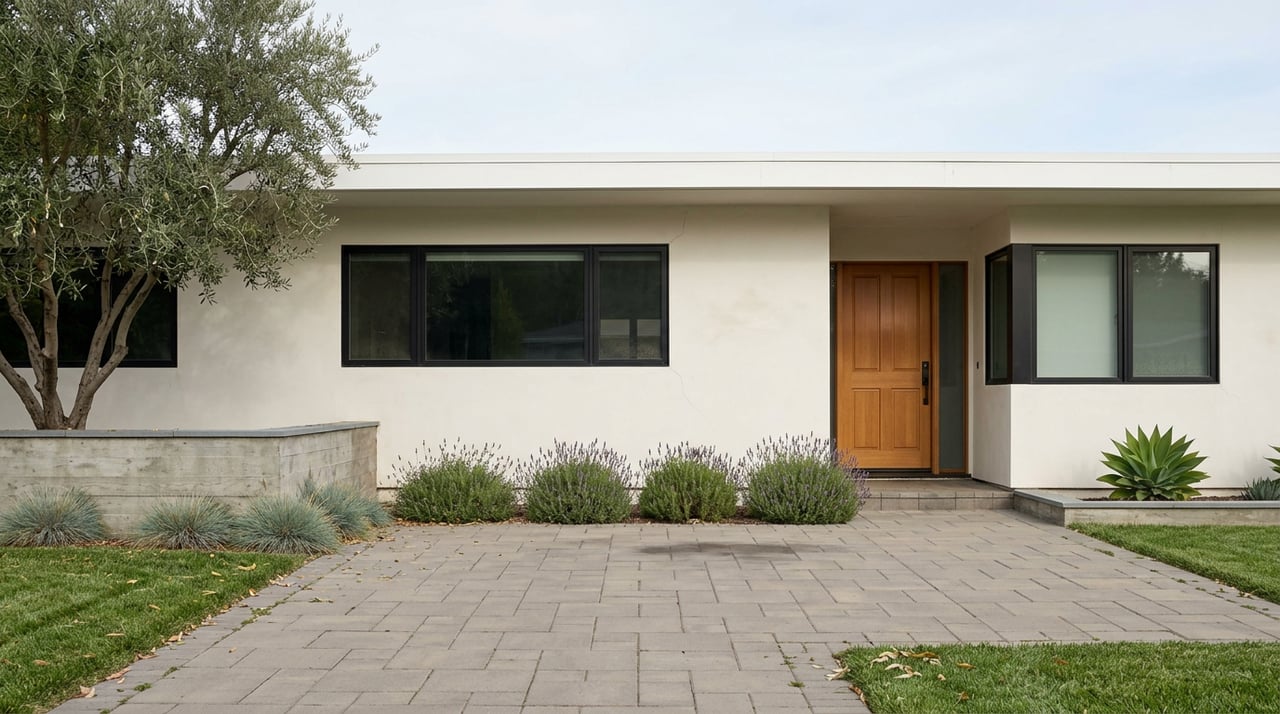
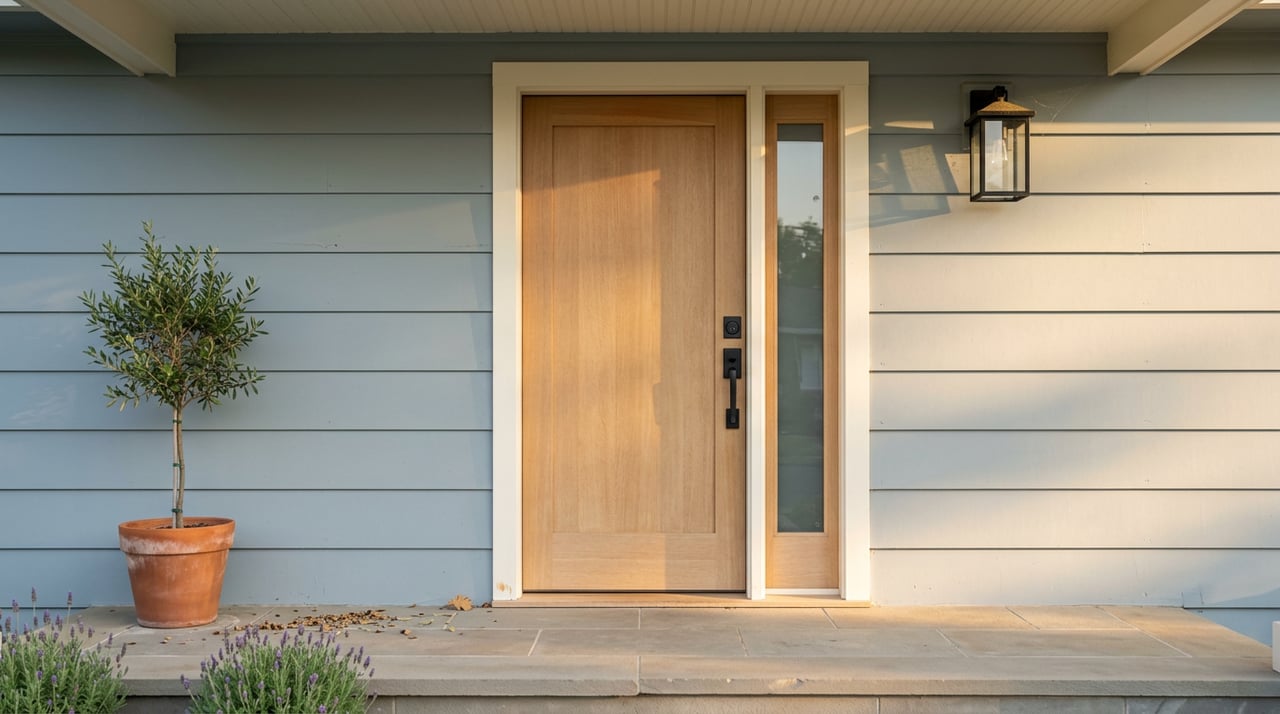
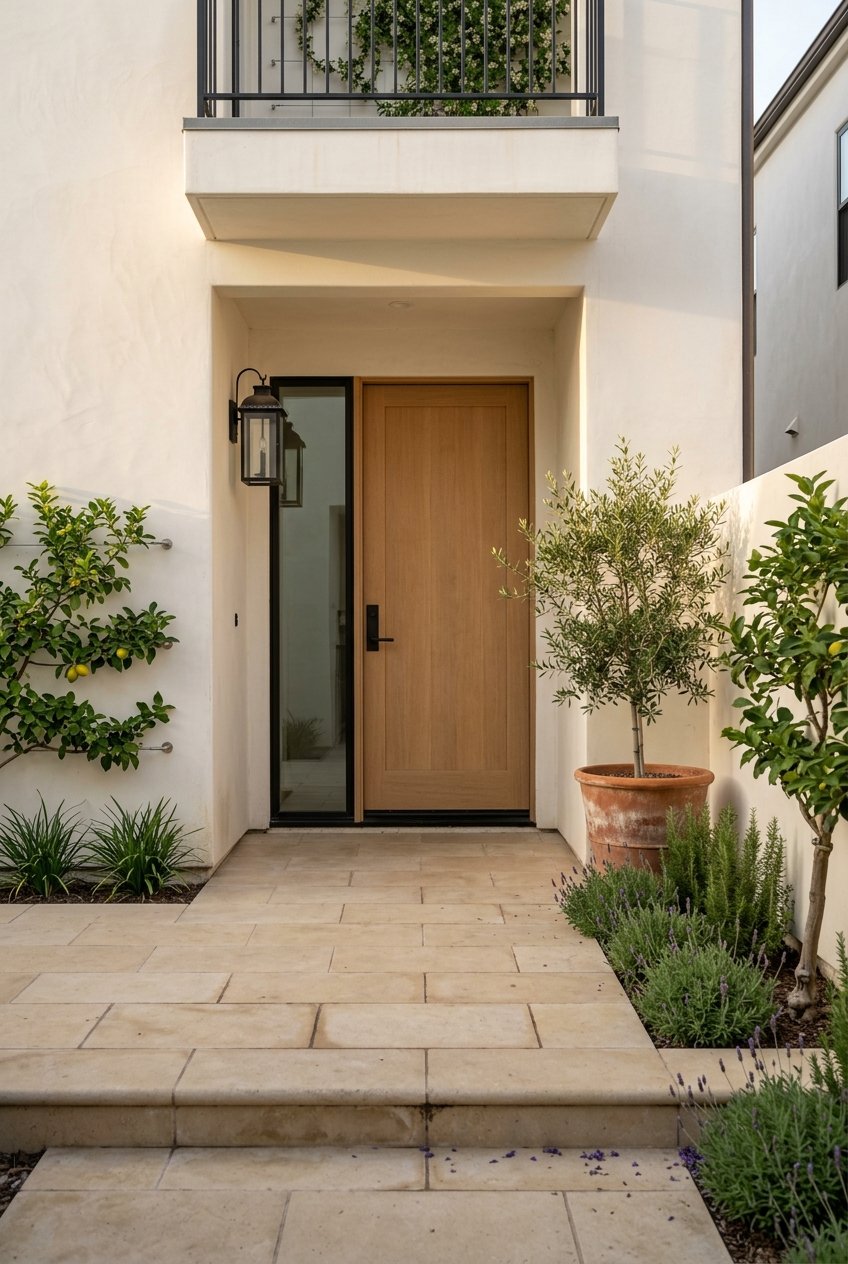
- Exterior: new garage door or refreshed front door, trimmed landscaping, power wash, and touch‑up paint. Cost vs. Value data shows these exterior touchpoints are consistent winners.
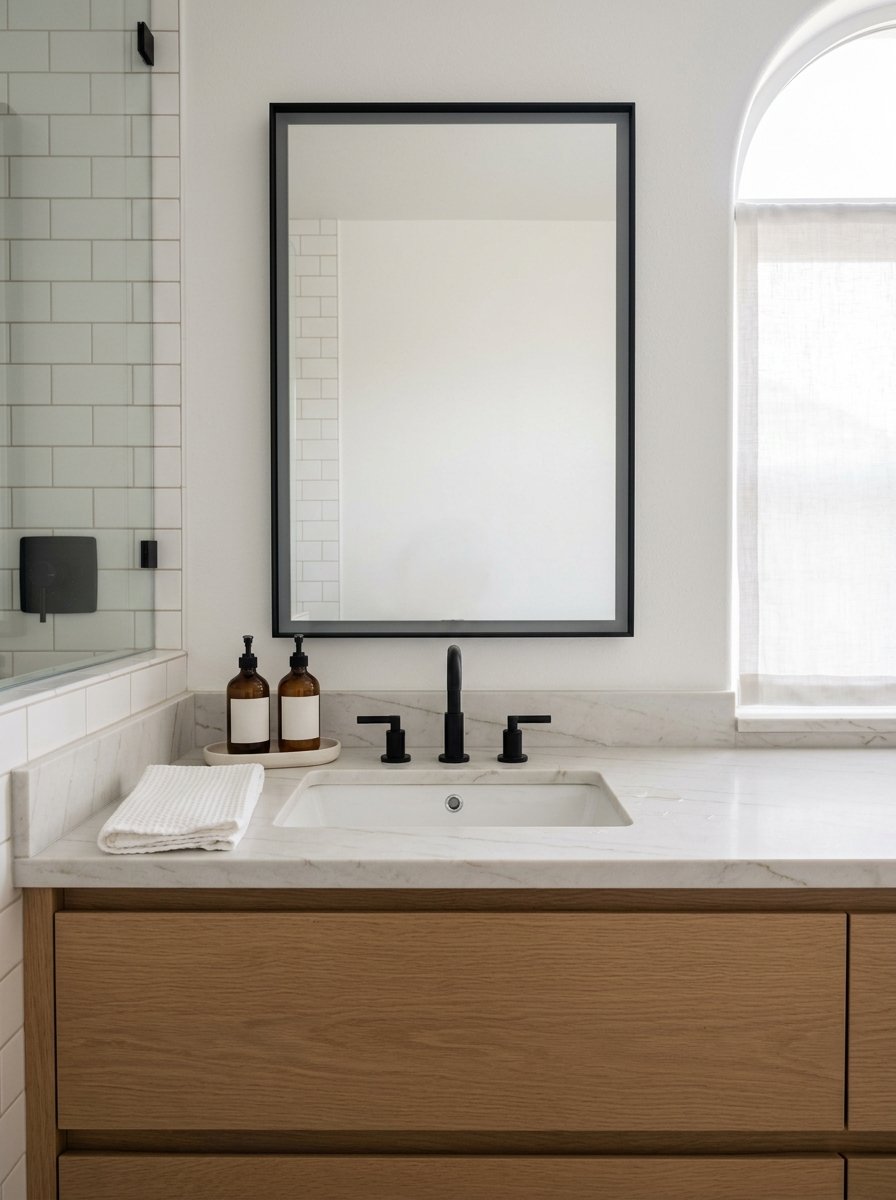
- Kitchen: minor refresh with paint, new hardware, modern faucet, simple counters, and clean appliances. Aim for clean and functional over trendy.
- Floors: refinish hardwood where worn. Typical national costs fall in the single digits per square foot, and the visual payoff is big in photos and showings. Get a handle on costs with this hardwood refinishing guide.
Neighborhood prep highlights
Micro‑markets in San Rafael have distinct buyer expectations. Use these cues to focus your time and budget.
Downtown and Central San Rafael
- Make the living room and kitchen shine with light staging and neutral paint.
- Emphasize walkability in your description and photos of nearby amenities.
- Upgrade lighting and cabinet hardware to align with turnkey expectations.
Terra Linda
- Highlight storage, parking function, and yard usability for daily life.
- Refresh a functional kitchen with paint and updated fixtures to stretch value.
- Create an easy indoor‑outdoor flow with tidy landscaping and a simple seating zone.
Peacock Gap
- Protect and showcase views: clean windows, prune view lines, and stage decks.
- Maintain exterior paint and railings, and stain or repair decking if needed.
- Use twilight photos to capture outdoor living and the golf and water setting.
Gerstle Park and historic pockets
- Preserve period character: keep trim, built‑ins, and moldings intact.
- Use restrained updates that blend modern convenience with classic details.
- Neutral walls and simple window treatments let original features stand out.
Canal area and shoreline properties
- Clarify permitted improvements and any flood or hazard disclosures early.
- Focus on durable materials and clean, low‑maintenance landscaping.
- Stage for flexible living: a tidy work zone or storage solution can add appeal.
Your California disclosure checklist
Complete your disclosures early so buyers can review them before writing. This builds trust and reduces surprise renegotiations.
- Transfer Disclosure Statement. Most 1 to 4 unit residential sales require it in California. Learn the basics from this overview of California disclosure duties.
- Natural Hazard Disclosure. Sellers must disclose if a property lies within mapped hazard zones such as flood, very high fire severity, or seismic hazard areas. See the statute in Civil Code section 1103.2.
- Lead‑based paint disclosure for homes built before 1978.
- 2025‑2026 updates. Industry guidance highlights added notices around local gas‑appliance replacement requirements when known, plus newer items such as disclosure of known tobacco or nicotine residue where applicable. Review current guidance on CAR’s new‑laws page and consult your agent or attorney for form language.
For a plain‑English primer on seller duties, this Nolo guide to California home‑seller disclosures is helpful. When in doubt, disclose and document.
Timeline and launch plan
You can move from planning to a polished launch in about 6 to 8 weeks.
- 6 to 8 weeks out: interview your agent, order pre‑listing inspection(s), assemble disclosures, and choose which fixes to complete versus credit. A pre‑listing inspection helps surface and control issues upfront. Learn the pros and cons in this seller pre‑inspection guide.
- 4 to 6 weeks out: complete agreed repairs, deep clean, declutter, and schedule staging and photography.
- 1 to 2 weeks out: capture professional photos, floor plan, and a simple virtual tour. Finalize pricing and load your disclosure packet for buyer review.
- Launch week: list with standout visuals, host a broker open and a weekend of showings, and watch the first 7 to 14 days of activity closely to gauge pricing and marketing.
Budget bands and smart tradeoffs
Every dollar should support speed, certainty, or a stronger offer.
- Minimal prep (about $500 to $3,000). Paint key rooms, swap tired lights and hardware, deep clean, and apply light staging tweaks.
- Moderate prep (about $3,000 to $25,000). Professional staging, front‑of‑house upgrades, minor kitchen or bath refreshes, and targeted floor refinishing. These costs often deliver strong resale lift in mid and upper markets. See the Cost vs. Value data.
- Major projects ($25,000 and up). Consider only if local comps and your timing support the investment.
Decision tips:
- Safety, roof, or permit issues: usually fix for buyer confidence and appraisal support.
- Cosmetic items: tackle the easy wins or use staging to minimize them.
- Older systems: disclose and be ready to credit if buyers ask, unless near failure.
When to list in San Rafael
Late spring often brings deeper buyer traffic in many Bay Area markets, but micro‑market inventory and your home’s readiness matter more than the calendar. Aim to launch when your property looks its best and your pricing is backed by fresh comps. Then lean into the first two weeks with strong marketing, clear disclosures, and flexible showing windows.
Sell with a trusted local advisor
You deserve a sale that feels smooth and delivers a result you’re proud of. As a Marin resident since 1976, Nicole brings neighborhood‑level pricing insight, expert presentation, and a concierge approach backed by modern Compass marketing tools. If you are thinking about selling your San Rafael home, reach out to Nicole Burton for a personalized pricing and prep plan tailored to your micro‑market.
FAQs
How should I price my San Rafael home in 2026?
- Start with a neighborhood CMA of the last 3 to 6 months, adjust for condition and features, pick a tactic that fits your goals, and set a two‑week feedback plan.
Do I need a pre‑listing inspection before selling?
- It often helps you control repairs, reduce surprise renegotiations, and speed closing; weigh the tradeoff that you will disclose issues found, and see this pre‑inspection overview.
What small updates deliver the best ROI before listing?
Which disclosures are required when selling a home in San Rafael?
How long does it take to prepare a San Rafael home to sell?
- A well‑planned timeline runs about 6 to 8 weeks from inspections and disclosures to repairs, staging, photography, and launch, with the first two weeks after listing critical for feedback.