Waterfront buyers in Marin shop with their senses and their spreadsheets. They fall in love with the view, and then they ask for dock permits, flood maps, and seawall reports. If you want top dollar for a lagoon or creek-facing home in Novato or Bel Marin Keys, a thoughtful pre-list plan can make all the difference. In this guide, you’ll learn how to prepare, price, and market a waterfront property so buyers feel confident and excited. Let’s dive in.
What drives value on the water
Waterfront value is about more than square footage. Buyers pay more for functional water access, rights, and condition.
- Access and dock rights. Clarify whether you have a private dock, the permitted berth size, lift capacity, and any lock or open-water access. In Bel Marin Keys, the Community Services District manages lagoon and lock infrastructure, so include relevant rules and maintenance context in your disclosures. You can find district resources on the Bel Marin Keys Community Services District site.
- Dock and seawall condition. Strong inspection documentation reduces buyer risk and supports premium pricing. Buyers look for recent reports and a clear plan if work is recommended.
- View and setting. Unobstructed views, sun exposure, and proximity to locks or Novato Creek shape lifestyle and boating appeal. Micro-location matters, so call it out in the listing.
- Disclosures and insurability. Clear permit history, Natural Hazard Disclosure, and flood information help buyers and lenders move forward with confidence.
Waterfront premiums vary by metro and by the quality of the water experience, so lean into what your property actually delivers: dock length, depth, lift, and cruise time to open water. Local micro-markets are tight, and condition plus documentation often separates record results from average ones.
Permits and approvals to check first
For any repair, replacement, or legalization that touches the water, expect multi-agency coordination. Getting this right early prevents surprises once you are in escrow.
Start local: Marin County or city permits
Before you plan dock or seawall work, request a permit and entitlement checklist from your local building or planning office. Marin County commonly conditions building permits on written evidence that required state and federal approvals have been secured. You can see this approach in County planning decisions that require confirmation from agencies such as BCDC, CDFW, the Regional Water Quality Control Board, State Lands Commission, the U.S. Army Corps of Engineers, and the California Coastal Commission before final permits are issued. Review a recent example of such conditions in a Marin County planning decision.
If you know about prior unpermitted dock work or seawall repairs, disclose it in your Transfer Disclosure Statement and outline any steps you have taken to research legalization.
Regional and federal reviewers to expect
- BCDC (San Francisco Bay Conservation and Development Commission). BCDC has jurisdiction over the Bay and often the 100-foot shoreline band. Many shoreline structures, bulkheads, docks, or projects that alter the shoreline need BCDC review or confirmation that they are outside the agency’s jurisdiction. You can see current and past projects in the BCDC permit application tracker.
- U.S. Army Corps of Engineers (San Francisco District). Corps authorization is often required for structures in navigable waters (Section 10) and any discharge of fill (Section 404). Learn about application types and procedures on the U.S. Army Corps permitting page.
Timing and expectations
If a dock is unpermitted or a seawall needs more than minor maintenance, legalization or repair can require design review, a building permit, and upstream agency approvals. Depending on scope and environmental review, plan for a possible lead time of three months or more. This is why early outreach to the County or City and the relevant agencies is smart, even if your goal is only to document status for buyers.
Inspections that build buyer confidence
A strong inspection package answers the hard questions up front and sets your pricing strategy on solid ground.
Dock and boat-lift evaluations
Ask a licensed marine contractor or engineer to evaluate pilings for rot or marine borer activity, check hardware and cleats, and verify boat-lift condition and load ratings. For mooring structures or when underwater conditions are unclear, a Level II or Level III inspection that includes close-up and underwater review may be appropriate. The engineering manual for waterfront facilities outlines these inspection levels and what divers and engineers look for; it’s a helpful reference for scope planning. See the waterfront facilities inspection guidance.
Seawalls and bulkheads
Inspect for signs of toe scour, backfill loss, cracks or spalling, sheet-pile deflection, and tieback issues, especially in the splash zone where corrosion can accelerate. A structural or geotechnical engineer should guide any major repair or replacement plan. The technical checklists in the same engineering manual can help you understand common failure modes and the documentation buyers expect.
Flood, sea level rise, and insurance
Waterfront buyers in Marin often ask about near-term flood zones and long-term sea-level scenarios. Preparing clear, third-party documents helps you answer with facts.
Local exposure context
Marin County’s BayWAVE Shoreline Vulnerability Assessment identifies low-lying shoreline areas, including Bel Marin Keys and nearby communities, as sensitive to sea-level rise and subsidence under certain scenarios. Providing context on regional planning and your property’s setting can reduce uncertainty. You can reference the County’s BayWAVE vulnerability assessment for maps and scenario-based exposure.
How to check your FEMA flood zone
Many lenders require flood insurance in Special Flood Hazard Areas, so buyers will ask about FEMA mapping and elevation.
Here is a simple way to prepare a shareable map:
- Go to FEMA’s Map Service Center and search your address. Use the tutorial on how to read Flood Insurance Rate Maps to understand zones and features. Start with FEMA’s guide, How to Read a FIRM.
- Generate and save a “FIRMette,” which is a printable map extract showing your property’s location and the current flood zone.
- If your home is near a mapped boundary or you have elevation data, consider obtaining an Elevation Certificate from a licensed surveyor and include it in your disclosures. Buyers and insurers use this to refine premium quotes.
What to share with buyers
Include your Natural Hazard Disclosure, the FEMA FIRMette, any Elevation Certificate, and details about lender-required flood insurance where applicable. If the property is not in a Special Flood Hazard Area, say so and provide the map page as support.
Pricing and negotiating around repairs
If inspections recommend dock or seawall work, you have options. The right choice depends on timing, cost, and your target buyer pool.
- Complete repairs pre-list. If the scope is modest, finishing work before you hit the market can boost confidence and simplify negotiations.
- Price to reflect the work. When the scope is significant or the permit path looks long, price the property to reflect the estimated cost and time.
- Offer a seller credit at close. Base the credit on a contractor’s written bid and reference any anticipated permit fees.
- Use an escrow holdback. Agree to hold funds after closing that will be released upon final inspection and sign-offs.
A simple example: if an engineer and two marine contractors estimate seawall repairs at 60,000, you could target either a 60,000 price adjustment, a 60,000 credit, or a holdback of the same amount to be released once final inspections are complete. The credibility comes from documentation: engineer letters, at least two bids, and notes on permits and timelines. For context on how repair costs can vary by method and access, review this overview of seawall cost factors.
Pre-list checklist and timeline
Set yourself up for a smooth sale with an organized prep plan.
Seller checklist
- Assemble legal and technical documents
- Deed, preliminary title, any recorded easements, and all available dock or seawall permits or correspondence. Having a permit trail reduces buyer friction. See how Marin conditions permits and coordinates agencies in this County decision example.
- Order your Natural Hazard Disclosure and a FEMA map extract for your exact address. Use FEMA’s FIRM tutorial to prepare a clean FIRMette.
- Pre-list inspections
- Schedule a dock and seawall inspection. If mooring structures are used or underwater conditions are uncertain, consider Level II or Level III scope and engage an engineer and a qualified dive team as needed. The waterfront facilities manual outlines inspection approaches.
- Repairs vs. disclosures decision
- If fixes are minor and improve buyer confidence, do them pre-list. If work is costly or permitting will take time, decide whether to price, credit, or use a holdback, and reference your contractor estimate and anticipated permit steps in the disclosure package. Marin often requires written evidence of upstream approvals before issuing building permits, so set realistic expectations. See the County’s permitting conditions.
- Staging and photography
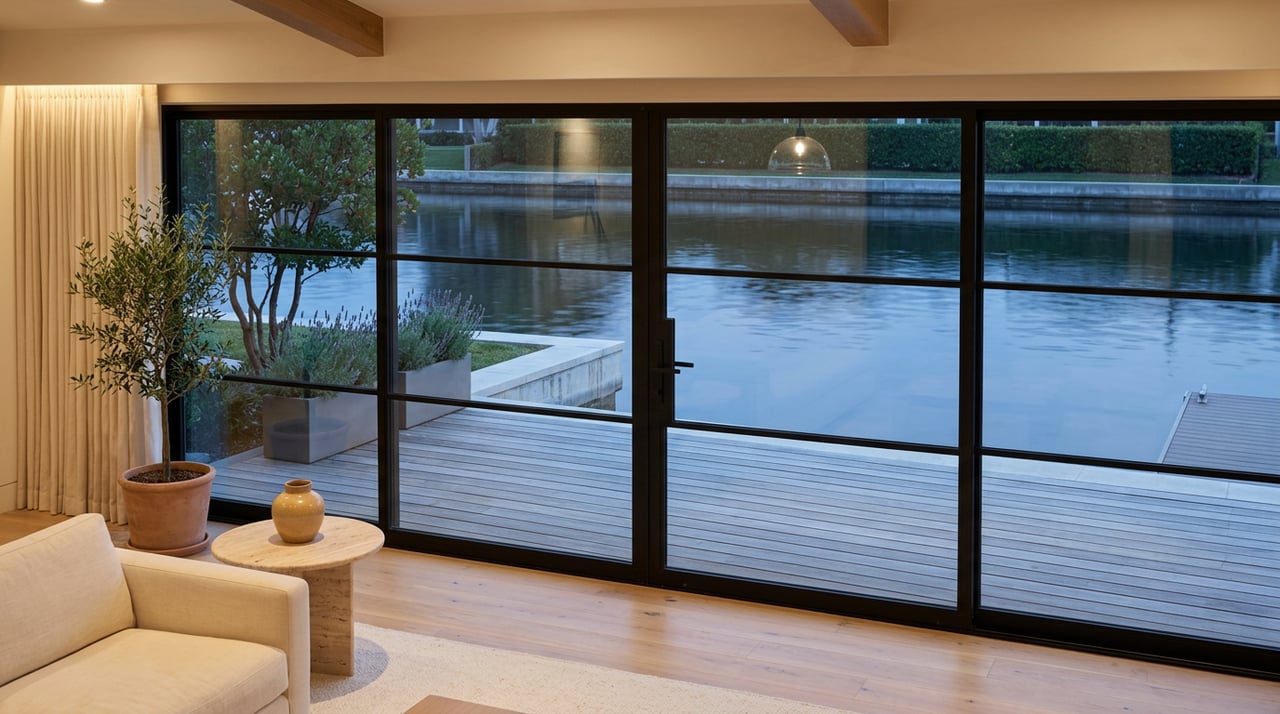
- Stage for indoor-outdoor flow and clear water views. Declutter decks and docks. Add simple seating where the view photographs well.
- Book a real estate photographer who captures twilight and drone imagery. Ensure any drone operator is Part 107 certified, uses Remote ID-compliant equipment or an approved FRIA, and follows FAA and local rules. For a practical overview, see this summary of commercial drone requirements. Consider a short water-level video from a kayak or boat that shows access to locks or Novato Creek.
- Targeted marketing
- In addition to MLS, promote to boating and lifestyle channels, luxury distribution lists, and local groups that value waterfront living. Lead with functional features: dock length, depth, lift capacity, proximity to locks, and typical launch-to-bay time.
Sample timeline
- Week 0. Order NHD and FEMA FIRMette. Book dock and seawall inspections. Request permit and title records.
- Week 1–2. Receive inspections and NHD. Decide on repairs or pricing strategy. Get two to three contractor bids for any recommended work.
- Week 2–6. Complete minor repairs if chosen. If permits are required, allow several weeks to months depending on scope and agency reviews. Marin typically will not finalize a building permit without written evidence of other required approvals, so build this into your timing. See an example of County conditions.
- Week 3–4. Stage, then capture twilight, drone, and water-level visuals.
- Go live. Launch once disclosures and marketing assets are complete.
Marketing that sells the lifestyle
The right visuals and copy help buyers picture the way they will live on the water.
- Lead with lifestyle. Highlight sunrise coffee on the deck, paddle-out minutes, and evening views. Pair this with facts about dock capacity and water depth at the berth.
- Premium visuals. Twilight photography, water-level video, and selective drone footage help buyers understand orientation and access.
- Clear copy. Spell out functional features first, then square footage and interior finishes. Buyers who shop waterfront want both the dream and the data.
If you want a strategic partner to manage this process, from staging to Compass-backed distribution, reach out. With deep local experience in Novato, Bel Marin Keys, and Southern Marin waterfronts, I can help you position your home for the right buyers and a confident sale.
Ready to talk timing, pricing, and your specific dock or seawall questions? Connect with Nicole Burton for a personalized Marin market consultation.
FAQs
What permits do I need to repair a dock in Bel Marin Keys?
- Start with your city or Marin County building department for design review and a building permit, then coordinate with BCDC and the U.S. Army Corps of Engineers if the work affects the Bay or navigable waters, as County permits often require written evidence of those approvals.
How do I show flood risk to buyers in Novato?
- Provide your Natural Hazard Disclosure, a FEMA FIRMette for your address, and an Elevation Certificate if available, using FEMA’s guide on how to read a FIRM to explain the map.
What should a pre-list dock inspection include?
- Have an engineer or marine contractor assess pilings, hardware, framing, and lifts, and consider a Level II or III inspection with underwater review when mooring structures are used, following the waterfront inspection guidance.
How long to legalize an unpermitted dock in Marin County?
- Timelines vary by scope and agency reviews, but budgeting three months or more is common since Marin may condition local permits on written approvals from agencies like BCDC and the U.S. Army Corps.
Who maintains Bel Marin Keys lagoons and locks?
- The Bel Marin Keys Community Services District manages lagoon and lock infrastructure; sellers should share relevant rules, fees, and maintenance context from the CSD’s resources.
How can I price around needed seawall work?
- Base adjustments on engineer findings and two to three contractor bids, then choose to repair pre-list, offer a price reduction, provide a seller credit, or use an escrow holdback, using cost documentation and expected permit steps to support the number.