Life In Sausalito’s Hillside Neighborhoods And Groves
June 25, 2026
June 25, 2026
If you picture Sausalito as only a postcard waterfront, the hillside neighborhoods tell a fuller story. Living above the shoreline can feel scenic and tucked away, but it also comes with very real day-to-day patterns shaped by stairs, winding streets, fog, parking, and quick access to the Bay. If you are thinking about buying or selling here, understanding that rhythm helps you see what life is actually like beyond the views. Let’s dive in.
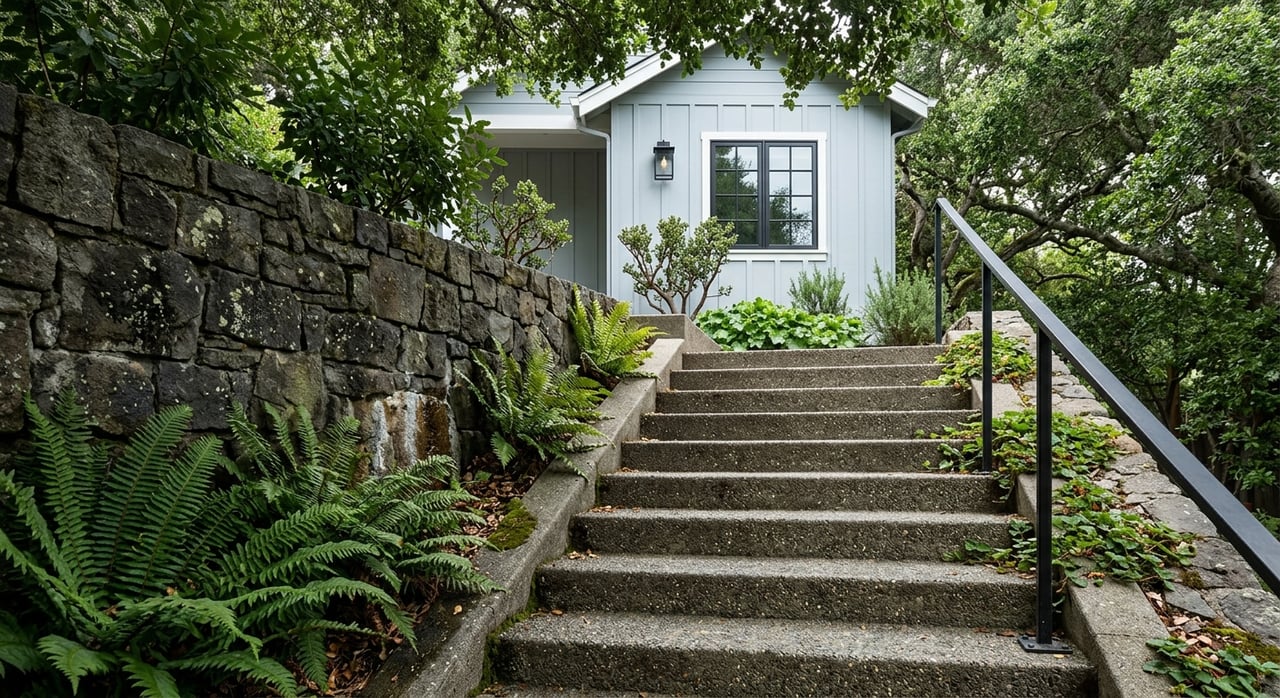
Sausalito’s hillside neighborhoods are shaped more by steep terrain than by a typical large-lot suburban layout. City materials describe a community of wooded hillsides, historic buildings, Bay views, and San Francisco views, with The Hill terracing up the slopes on curving lanes.
That terrain still defines how the area lives today. Historic context documents note switchbacks, retaining walls, and lower-valley cottages built within walking distance of workplaces, shops, schools, and churches. In other words, these neighborhoods feel older, more compact, and more connected to the land than many buyers expect.
The idea of Sausalito’s groves is not just a marketing phrase. Historical materials point to natural springs and oak groves in the pre-development landscape, which gives this part of town a strong official basis for its grove-like identity.
That matters because it helps explain the atmosphere you feel when you move through these neighborhoods. Even where homes have changed over time, the hillsides still read as layered, green, and shaped by the original terrain rather than imposed on it.
Living in Sausalito’s hills often means your daily routine is more physical and more place-specific than it would be in a flatter community. The city says most residential areas do not have continuous sidewalks, and some streets are actually public stairways.
There are more than 30 public stairs and paths in the city, including the North Street Steps. Planning documents have also identified the need for better non-motorized links between hillside neighborhoods and the waterfront, which tells you a lot about how movement works here.
For many residents, the hills make short outings feel memorable. A quick walk can include views, stair connections, and a direct sense of the landscape that you do not get in a more conventional street grid.
At the same time, it is smart to think practically. Routes may be steep, sidewalks may be incomplete, and what looks close on a map can feel very different in person.
Sausalito notes that some roadways were built before automobiles and that many properties sit on steep hillsides. That means access, turning space, and parking can play a bigger role in your experience than they would in a newer neighborhood.
For buyers, this is one of those lifestyle details worth noticing early. A home with dramatic views may also come with a very specific approach, limited curb space, or a more layered arrival experience.
Parking is not just a visitor issue in Sausalito. It is part of everyday life, especially when you move between residential streets and the downtown waterfront area.
The city says downtown metered parking is concentrated mostly on Bridgeway and nearby streets. It also maintains four off-street paid public lots downtown near restaurants, shopping, and transit, and residents can apply for discounted parking passes.
Public streets and parking areas are also subject to a 72-hour move rule. The city also asks drivers to minimize curb parking on street-sweeping days, which is one more practical detail that can shape how easy a particular block feels.
One of Sausalito’s advantages is that the town offers real alternatives to driving all the time. The city lists Golden Gate Ferry service to the Ferry Building and Fisherman’s Wharf, Golden Gate Transit buses, and Blue & Gold ferry service.
That can make car-light living more workable than some people assume. Still, Sausalito’s planning materials also say the topography limits bicycle transportation for hillside residents, so most people experience the area through a blend of walking, driving, and transit rather than bikes alone.
In Sausalito’s hillside neighborhoods, the scenery is not just a special feature for open-house day. Light, fog, wind, and Bay exposure are part of normal life.
City environmental documents describe a marine-influenced climate with cool, wet, almost frostless winters and cool, dry summers with frequent fog or wind. That means the hills can feel sunny and open one moment, then cooler and misty the next, especially during summer.
This local climate affects how the neighborhoods feel hour to hour. A view home may also be a wind-exposed home, and a bright afternoon can shift quickly into a foggy evening.
For some buyers, that changing atmosphere is exactly the appeal. It gives the hillsides a dramatic, coastal character that feels active and alive rather than static.
One of the strongest lifestyle benefits here is how close you are to outdoor access. Sausalito borders Golden Gate National Recreation Area, which includes more than 130 miles of trails according to the National Park Service.
Nearby access points include Morning Sun Trailhead near Spencer Avenue and Rodeo Avenue Trailhead off Highway 101. City information also notes that access from Wolfback Ridge Road is private and not open to the public, which is helpful to know if you are mapping out trail options.
Not every outdoor moment has to be a major hike. Sausalito also highlights local parks with standout views that work well for shorter outings.
Cloud View Park is noted for its Bay view. Gabrielson Park offers views of Angel Island and the Bay Bridge, and Yee Tock Chee Park offers views of San Francisco and the Bay.
The hillsides and the waterfront work together to create Sausalito’s daily rhythm. The residential areas above feel quieter, historic, and terrain-driven, while downtown below serves as the commercial and social center.
City pages describe the waterfront visitor district as a compact area with art galleries, boutique shops, cafés, restaurants, outdoor seating, a ferry terminal, and marina activity. Planning documents also describe the waterfront as both a visual amenity and a recreation resource for residents.
This contrast is one of the most important things to understand if you are considering life here. You may spend your mornings in a residential hillside setting and still be minutes from ferry service, dining, shopping, and waterfront views.
That hill-to-shore connection is a major part of Sausalito’s appeal. It offers a blend of retreat and convenience that feels very specific to this town.
If you are shopping for a home in Sausalito’s hillside neighborhoods or groves, it helps to look beyond finishes and view lines. The terrain often has as much impact on daily life as the home itself.
A few practical questions can make your search much smarter:
These details do not make a home better or worse on their own. They simply help you match the property to the lifestyle you want.
If you are preparing to sell a hillside Sausalito home, buyers often respond best when the lifestyle is clearly explained. Views matter, but so do access, parking, walkability patterns, and proximity to downtown or open space.
A thoughtful presentation can help buyers understand how a property lives day to day. That is especially important in terrain-driven neighborhoods where the experience of the home starts well before someone reaches the front door.
Sausalito’s hillside neighborhoods and groves offer a living experience that is both beautiful and practical, historic and highly specific to the land. If you want clear guidance on how a particular block, slope, or setting fits your goals, Nicole Burton can help you navigate the details with the local insight and personal service that matter in Marin.
Stay up to date on the latest real estate trends.


Driven by a commitment to her clients, Nicole serves them with the utmost honesty, integrity, and professionalism. Work with her today!